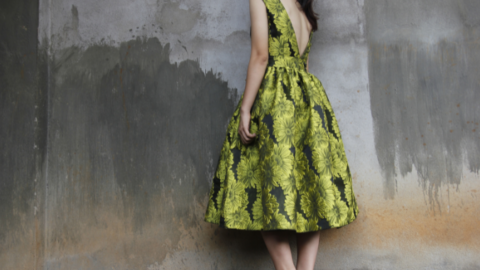
How much do you want to be the focus of attention? Do you want to blend in or stand...
What Is 16 Style Types?
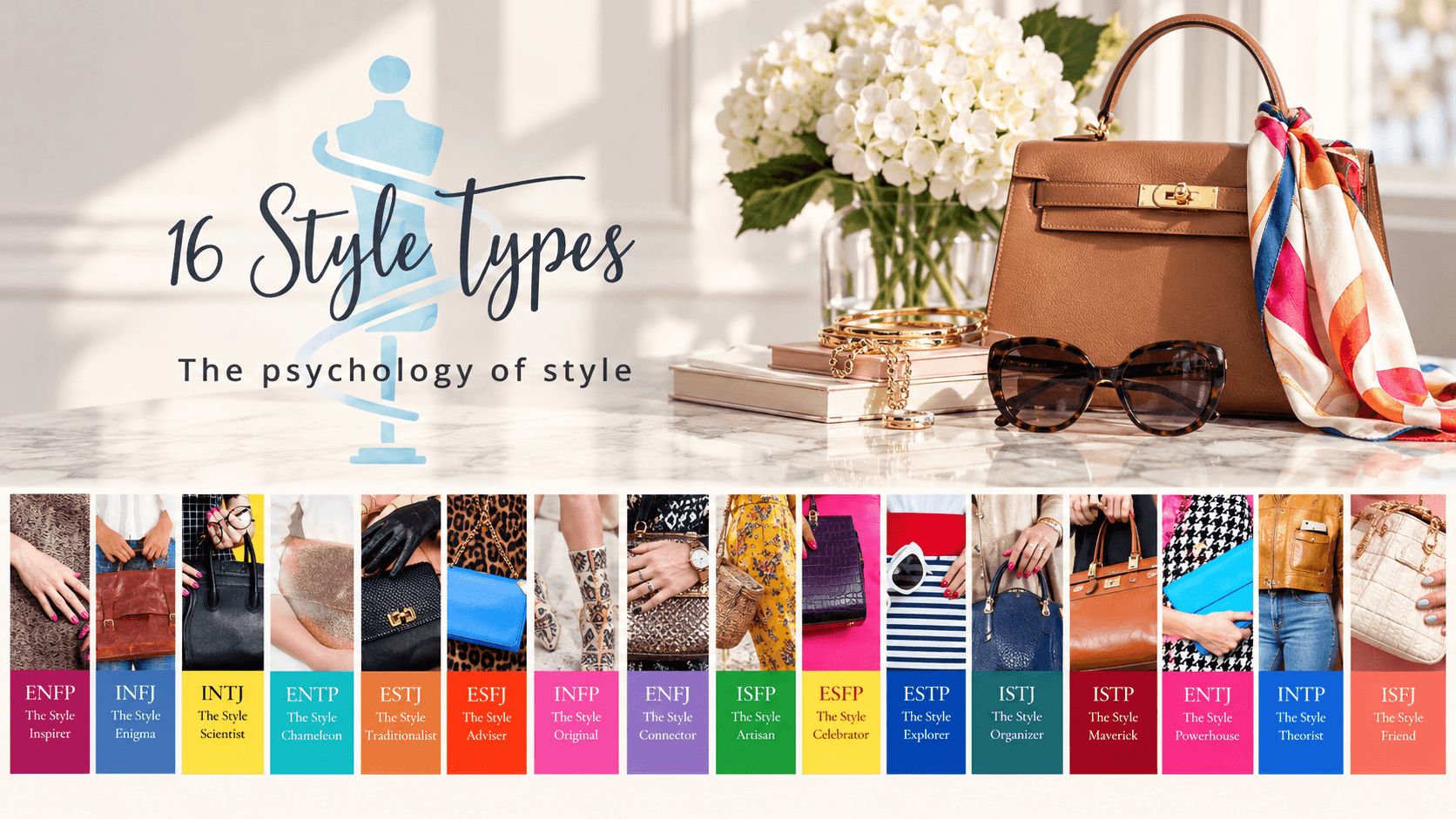
16 Style Types is a research-based framework exploring the relationship between psychological type and personal style.
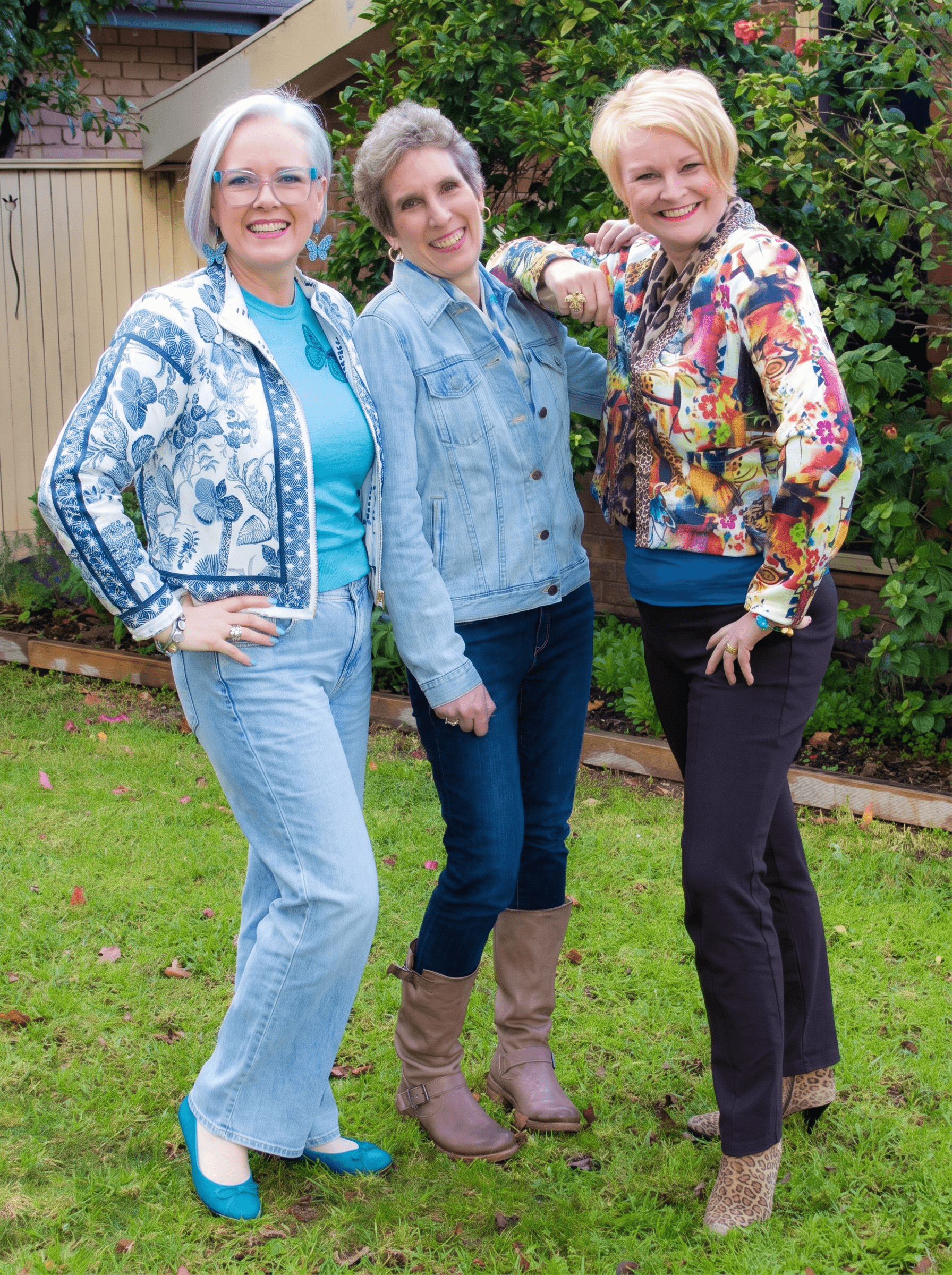
It was developed by Dr Jane Kise, Imogen Lamport and Jill Chivers, bringing together expertise in psychological type, image consulting, personal style, research, facilitation and adult learning.
At its heart is a deceptively simple question:
“If personality influences how we gather information, make decisions, express ourselves and interact with the world, might it also influence the way we approach our clothes and personal style?”
Our research found that it does.
But perhaps not in the way you might expect.
16 Style Types doesn’t suggest that everyone with the same personality type should dress alike. Nor does your psychological type determine your colouring, body shape, favourite aesthetic or whether you should wear stripes rather than florals. Instead, it helps explain something much deeper: how you approach style.
It explores why different women seek different things from their clothes, where they look for inspiration, how they shop, how they make decisions, what makes an outfit feel authentic, what frustrates them about getting dressed and how their personal style develops throughout their lives.
Where Did 16 Style Types Come From?
The idea grew from conversations between image consultant Imogen Lamport and psychological type practitioner and facilitator Jill Chivers.
Imogen and Jill had been creating videos together about style and image when they began discussing an intriguing question: could there be a meaningful relationship between psychological type and personal style?
Jill had also been discussing related ideas with psychological type expert and researcher Dr Jane Kise.
Bringing the three together created an unusual combination of expertise.

Imogen Lamport
Imogen brought decades of knowledge about colour, style, image consulting, wardrobe behaviour and the practical questions women face when getting dressed.
Dr Jane Kise
Jane, the author of over 30 books on Psychological type, brought extensive research, academic and practical expertise in Jung/Myers psychological type, type dynamics and personality development.
Jill Chivers
Jill understood both worlds and brought her expertise in psychological type, facilitation, adult learning and programme development to help connect them.
Rather than simply assuming that a relationship existed, we decided to investigate it.
The Research Behind 16 Style Types
Developing the 16 Style Types involved about three years of research, interviews, testing, and refinement.
We first examined existing approaches that attempted to connect personality and style and explored previous work linking psychological type with clothing and personal image.
We then conducted our own research.
Women representing each of the 16 psychological types were interviewed about their experiences of clothing, shopping, wardrobes, getting dressed and personal style.
We explored questions including:
Where do you get style ideas and inspiration?
How do you decide what to buy?
What makes clothing feel like “you”?
How important is comfort, practicality, creativity, appropriateness or individuality?
How do you organise and manage your wardrobe?
What makes shopping enjoyable or frustrating?
How much attention do you want your appearance to attract?
How has your relationship with style changed throughout your life?
It could help explain the process behind style decisions.
As patterns emerged, materials were developed and tested with women around the world representing the different psychological types.
What became apparent was that psychological type wasn’t simply associated with different aesthetic preferences.
That distinction became fundamental to 16 Style Types.
How Does Psychological Type Relate to Personal Style?
16 Style Types is based on Jung/Myers psychological type theory, the model underlying instruments such as the MBTI®.
Psychological type describes preferences in how people direct and restore their energy, gather information and make decisions.
“Those processes have fascinating implications for style.
01
How you take in information
The way you naturally take in information can influence how you gather style inspiration and approach shopping.
02
How you make decisions
The way you prefer to make decisions can influence how you evaluate clothing, edit your wardrobe and decide whether something deserves a place in it.
03
Extraversion or Introversion
Your preference for Extraversion or Introversion may influence where and how you seek inspiration, your shopping experience and aspects of how visible you are comfortable being.
But 16 Style Types goes deeper than simply matching individual preferences with behaviours.
An important part of the framework is type dynamics: understanding how the different elements of psychological type interact rather than treating four letters as four independent personality traits.
That’s why changing one letter doesn’t simply change one small characteristic. It can alter the dynamic pattern underlying the type.
Each of the 16 types therefore represents a distinctive pathway through style.
Your Individual Profile
What Is a Style Type?
Your Style Type describes the essence of your approach to personal style through the lens of your psychological type.
It can illuminate:
- What you value about clothing and appearance
- Your natural style strengths
- Common style challenges
- How you find inspiration
- How you shop
- How you make clothing decisions
- How you approach your wardrobe
- What helps clothing feel authentic
- How you express yourself through your appearance
- How your relationship with style may develop over time
It does not prescribe a particular aesthetic.
Two women with the same Style Type might have completely different wardrobes.
Their colouring, body proportions, culture, lifestyle, age, budget, environment and personal experiences may be entirely different. What they may share is something beneath the surface: the motivations, priorities and decision-making processes that shape their relationship with style.
That is the territory 16 Style Types explores.
Who Created 16 Style Types?
16 Style Types was co-created by Dr Jane Kise, Imogen Lamport and Jill Chivers. Each brought a different body of professional expertise to the research and development process.
Style and Image Expertise
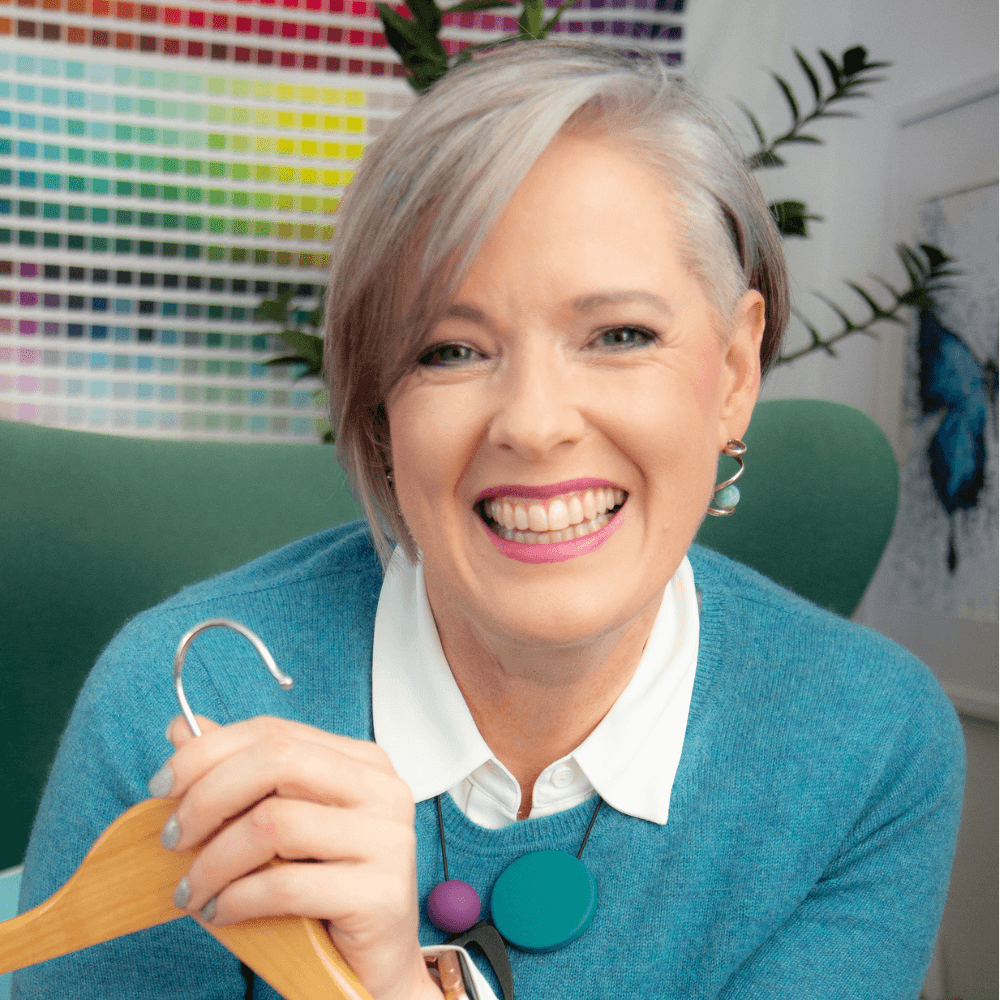
Imogen Lamport
Imogen Lamport, AICI CIP, is an award-winning image consultant, colour expert, author and educator and founder of Inside Out Style and the Academy of Professional Image.
Imogen brought the professional image and style expertise to 16 Style Types.
Her contribution included understanding the many variables involved in personal style: clothing preferences, shopping behaviours, wardrobe management, style expression, body and proportion considerations, visual design and the practical challenges women encounter when translating who they are into what they wear.
Her scientific and analytical approach to image consulting was particularly important in separating observable style behaviours from superficial fashion stereotypes.
Imogen’s role helped ensure that 16 Style Types remained grounded in the realities of personal style rather than reducing each psychological type to a particular “look”.

Psychological Type Theory and Research
Dr Jane Kise
Dr Jane Kise is an internationally recognised expert, researcher and author in psychological type, education and leadership.
Jane brought deep theoretical knowledge of Jung/Myers psychological type, type dynamics and personality development to the project.
Her expertise helped ensure that the emerging Style Types reflected the complexity of psychological type rather than treating personality as a collection of four independent letters or characteristics.
Jane’s contribution was central to interpreting the research through the lens of type dynamics and maintaining the theoretical integrity of the psychological type framework.
Connecting Type and Style
Jill Chivers
Jill Chivers is a psychological type practitioner, facilitator, and coach, and completed image consultant training, with extensive experience in adult learning and programme development.
Jill played a pivotal role in bringing the worlds of psychological type and personal style together.
She helped initiate the investigation into the relationship between the two disciplines, connected the expertise of Jane and Imogen, and contributed her knowledge of both psychological type and style throughout the research and development process.
Her expertise in facilitation, learning design and translating complex concepts into meaningful personal discoveries also helped shape how 16 Style Types could be experienced and understood by women outside the professional type and image communities.

Together, the three perspectives created something none could have developed in quite the same way alone:
psychological theory + style expertise + the bridge between them.
How Is 16 Style Types Different From "16 Personalities" Content?
You may have encountered websites, quizzes and social media posts that assign characteristics to personality types: what each type supposedly wears, buys, likes or dislikes.
16 Style Types is fundamentally different.
It isn’t a fashion personality quiz.
It doesn’t assume that an INTJ dresses one way while an ESFP dresses another.
And it doesn’t use four-letter codes as stereotypes.
The framework draws on Jung/Myers psychological type theory and type dynamics to investigate the underlying motivations and mental processes that can influence someone’s relationship with style.
That means we are less interested in:
"What does an INFJ wear?"
and much more interested in:
"How might the psychological processes associated with this type influence the way this person experiences, develops and expresses personal style?"
That’s a very different question.
It also recognises that psychological type is only one part of personal style.
Your appearance and style are also influenced by:
Physical characteristics
Colouring
Lifestyle
Culture
Environment
Values
Experiences
Age
Resources
Identity
Aesthetic preferences
The person you have become
Psychological type doesn’t dictate what you wear.
It provides another lens through which you can understand why you make the style choices you make.
16 Types. Not 16 Uniforms.
Perhaps the most important idea behind 16 Style Types is that understanding personality should expand your possibilities rather than put you into another box.
Your Style Type isn’t a prescription for how you ought to look.
It’s a framework for understanding yourself.
Because when you understand what sits beneath your style decisions, you can stop trying to follow advice designed for somebody else’s personality, priorities or life.
You can begin making more conscious choices about what genuinely works for you.
And that is where personal style becomes something much more interesting than fashion.
It becomes an expression of who you are.